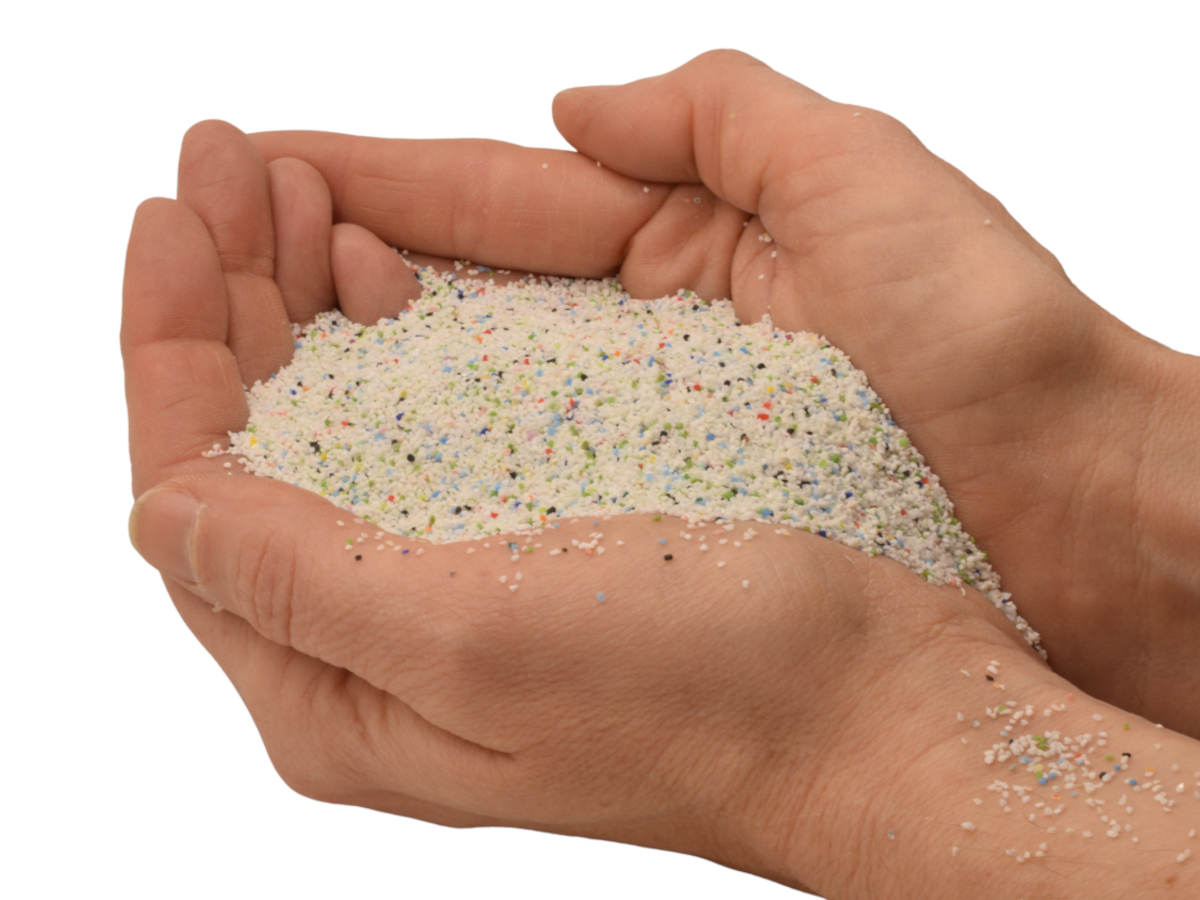
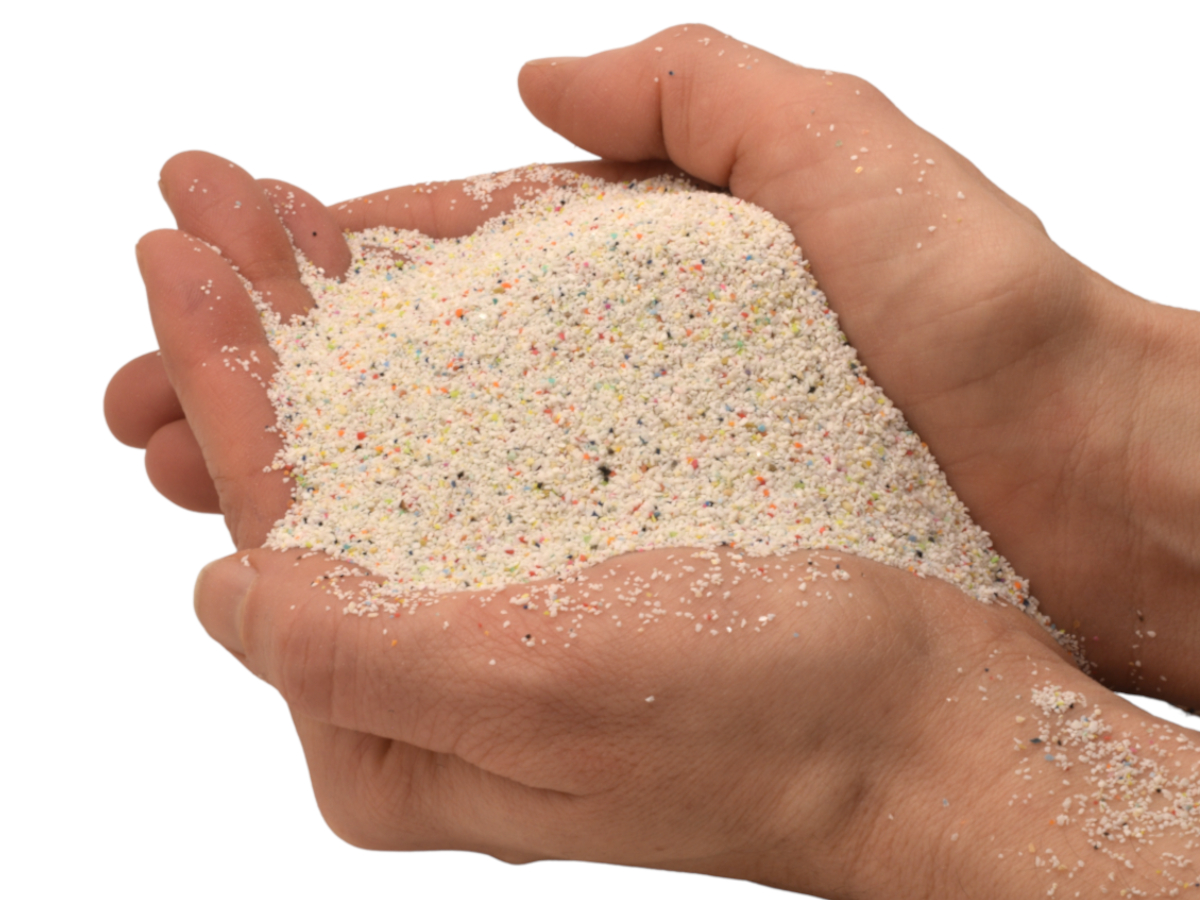
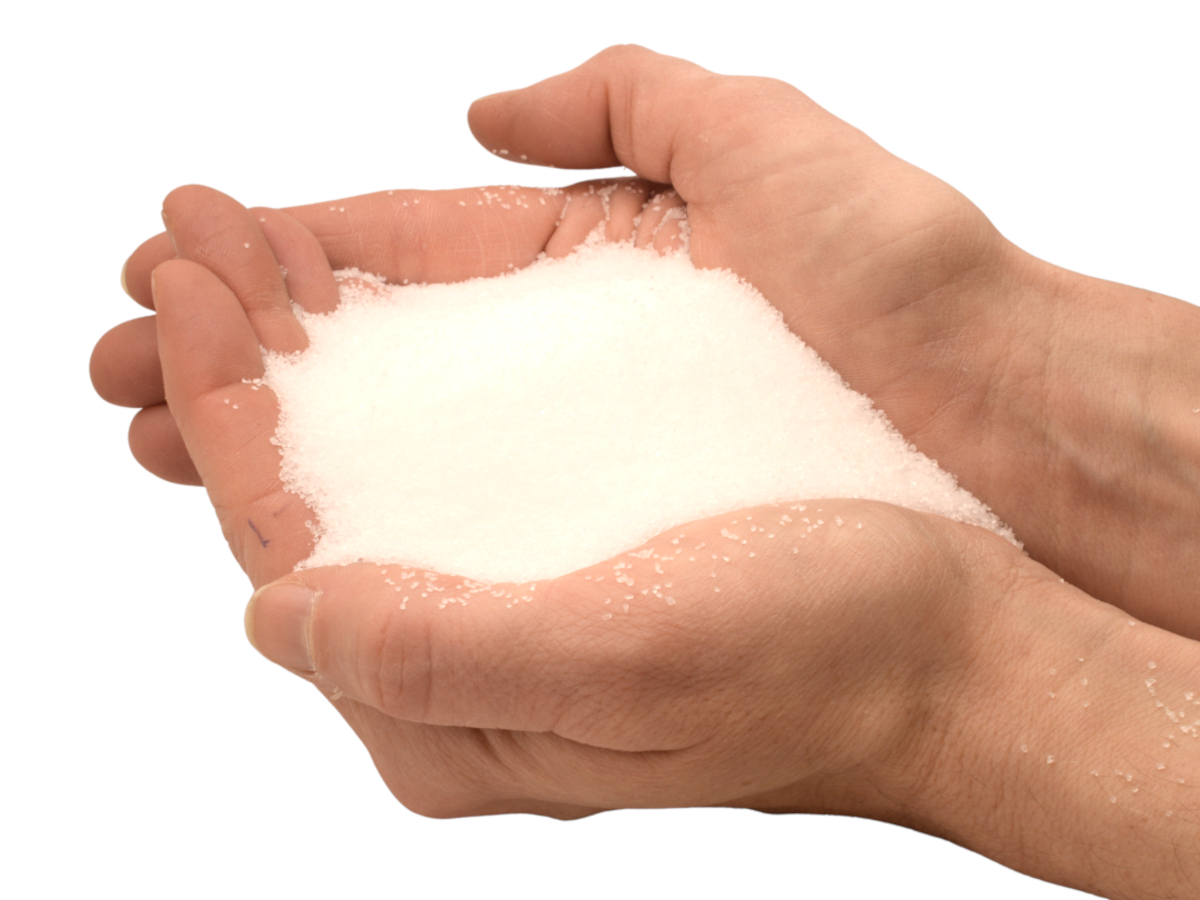
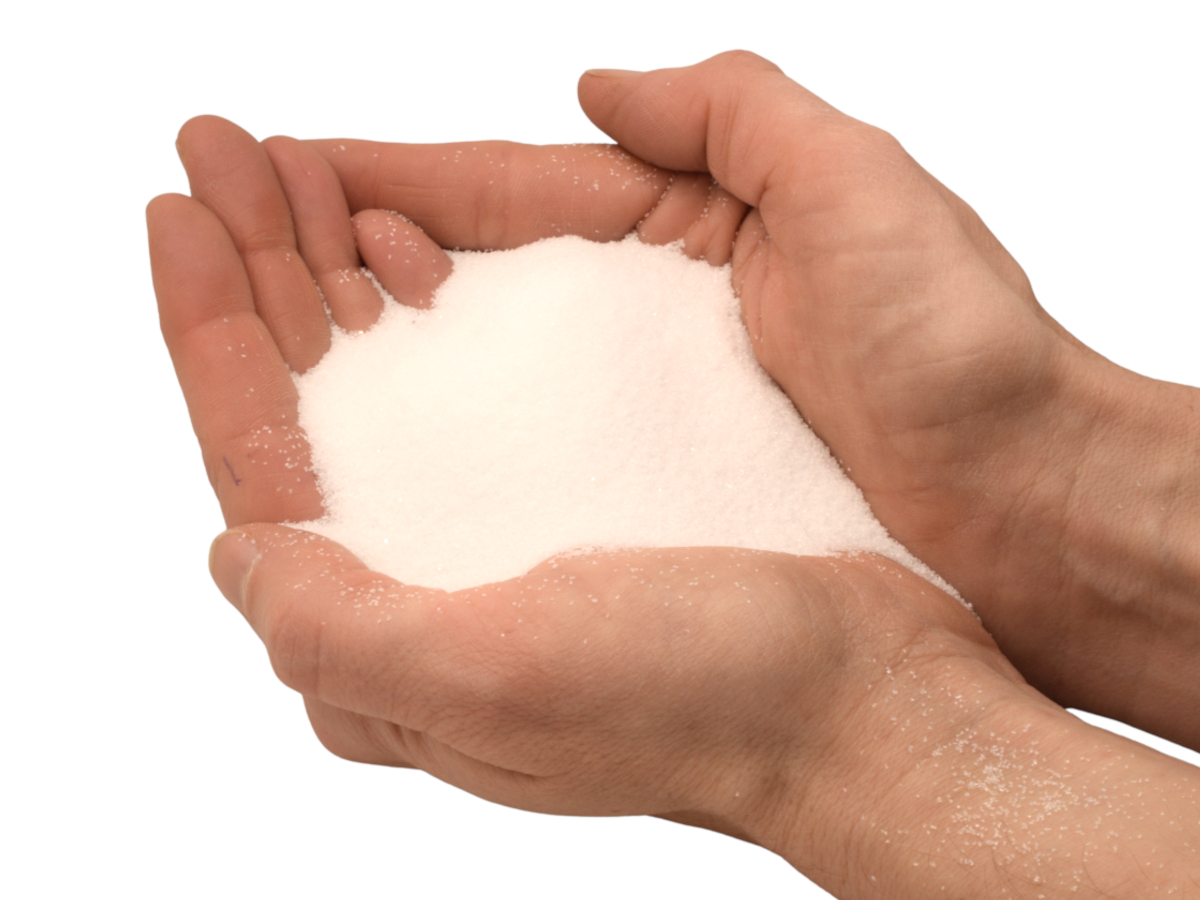
Overview Key Features Typical Applications Benefits Technical Information Grades & Supply Safety & Handling Angular Glass for Controlled Surface Etching Glass grit is produced from crushed glass, resulting in an angular grain structure that cuts more aggressively than glass beads while remaining free from crystalline silica. Suitable for ferrous and non-ferrous materials in wet or dry blasting systems. Key Features Angular cutting particles Silica-free and environmentally conscious Lighter cutting action than mineral abrasives Suitable for delicate substrates Compatible with wet and dry blasting systems Typical Applications Etching stone, brick, and masonry Cleaning wood and soft metals Surface preparation prior to coating Decorative and architectural blasting Why Choose Glass Grit vs Glass Beads Glass grit cuts and profiles the surface, while glass beads clean and peen without cutting. Glass grit is selected where etching or surface texture is required. Technical Information – Glass Grit Technical Properties Property Typical Value Chemical composition Recycled soda-lime glass Particle shape Angular Hardness 6.0 Mohs Specific gravity ~2 – 2.6 g/cm³ Bulk density ~1.2 – 1.8 g/cm³ Suitable systems Wet & dry blast cabinets Compatible with pressure, suction, and cabinet blasting systems. Chemical Analysis Component Typical % SiO₂ 65 – 75% Na₂O 12 – 18% CaO 7 – 12% MgO Max. 5% Al₂O₃ Max. 2.5% K₂O Max. 1.5% Fe₂O₃ Max. 0.5% Grades & Supply Multiple mesh sizes available Supplied in 20 kg bags UK stock, 3–5 working day delivery Glass grit sizes define the cutting aggressiveness and surface texture achieved during blasting. Coarser grit sizes provide increased cutting and etching action, while finer sizes allow more controlled material removal and surface refinement. FEPA Grit Sizes & Approximate Particle Diameter Grade Avg. Grain Size (µm) GGR 220-S 0 – 100 GGR 160 40 – 80 GGR 140 80 – 150 GGR 120 100 – 200 GGR 100 200 – 300 GGR 30/40 300 – 500 GGR 03/06 300 – 600 GGR 24/36 300 – 800 GGR 16/36 400 – 1400 Coarse glass grit grades are typically used for etching, profiling, and heavy cleaning, while finer grades are selected where a lighter surface texture or reduced cutting depth is required. Selection should be based on substrate type, desired surface profile, and environmental considerations. Unsure which grit size is right for your application? – Contact usOur technical team can advise on media selection based on substrate, finish, and blasting system. Safety & Handling Glass grit is non-toxic and free from crystalline silica. Disposal requirements depend on contamination introduced during use. Consult local regulations if unsure.